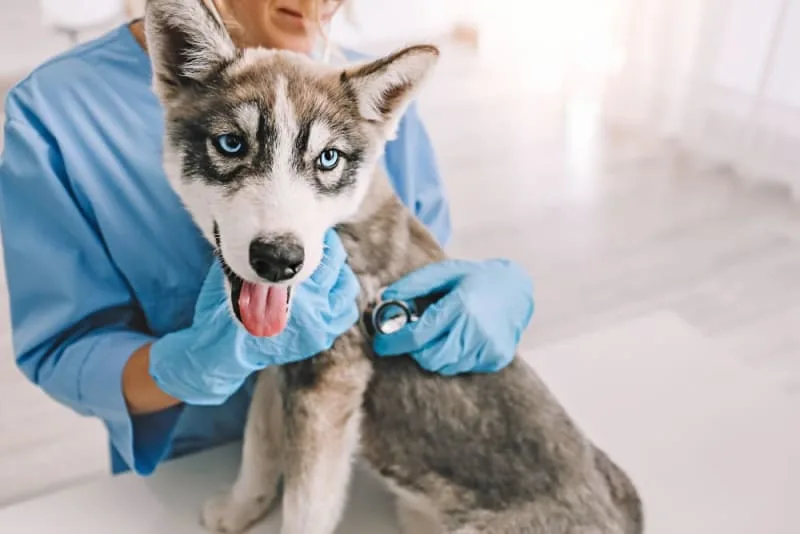
If you are a new pet parent to an adorable puppy, you can count on our veterinarians in San Mateo to help you get ready for your puppy's first visit to the vet. They will provide you with all the necessary information you need about what will happen during the appointment and how to ensure your furry friend is comfortable.
When to Take a Puppy to the Vet for the First Time
It's common for puppy shelters and breeders to take their puppies for vet visits before giving them to new pet parents. You should receive paperwork indicating the care your puppy has already received and when you should schedule their next veterinary visit.
Scheduling a new puppy vet visit within a few days of bringing your new furry friend home is always a good idea, regardless of any care already provided by the breeder or shelter. This timing will allow the vet to review your puppy's records and provide any overdue care.
The vet will perform a complete physical examination and may run laboratory tests to identify any potential health concerns. It's best to learn about any problems as soon as possible before the breeder's health guarantees expire.
Puppies are usually scheduled for vet appointments every three to four weeks, starting when they are six to eight weeks old and ending when they are four or five months old. Vaccinations usually start when puppies are six to eight weeks old.
If puppies receive their first vaccinations when they are older than four or five months of age, they can usually catch up in two visits scheduled three to four weeks apart. Your vet may adjust this plan based on your puppy's particular history and needs.
Before your appointment, you should collect as much information as possible.
What to bring to the veterinarian appointment?
Puppy’s First Vet Visit Checklist
Any veterinary records you received from the breeder or shelter
Written list of important questions
Notes on how much of what types of foods and treats you have
Dog carrier or crate lined with some old towels
Leash and collar or harness
Chew toy for distraction
Small treats to reward good behavior
Any forms provided by your vet that you have already filled out
A stool sample, as fresh as possible
When taking a puppy to the clinic, it is recommended that they be transported in a crate for their comfort and safety. To ensure your puppy's safety, it would be best if you did not assume that you can hold your puppy in your arms during the trip, as they might become anxious due to all the new sights, sounds, and smells. Bring a harness or leash to control them in case they get stressed.
What happens during the first vet visit?
Veterinary staff will start the visit by asking you a series of questions about your puppy’s history and how they are doing at home, followed by:
A weight check
A complete physical examination, which includes
Observing the puppy move around the exam room
Looking at the whole body, including the eyes, ears, nose, feet, nails, skin, coat, and genitalia
Using a stethoscope to listen to the heart and lungs
Checking reflexes
Measuring temperature pulse and respiratory
Opening the mouth to check out the teeth, gums, and other structures
Checking the eyes and ears
Palpating the lymph nodes, joints, and organs within the abdomen
Throughout all the new puppy vet visits, the veterinary staff will discuss many important aspects of puppy care with you, including:
Dental care
Grooming needs
Nutrition
Flea, tick, heartworm, and internal parasite control
Vaccination schedules
Exercise and play requirements
Behavior and socialization
Pet identification, including microchips and tags
Reproductive health, including the benefits and risks of spaying and neutering
Travel requirements
Pet safety and disaster preparedness
Diseases that can be spread from pets to people (and vice versa)
What to Ask Vet on First Puppy Visit
Your veterinarian is the best source of information to help your puppy grow and lead a healthy life. If you have any questions or if you find the information they provide confusing, don't hesitate to ask for clarification.
Here are some good questions to ask your vet during the visit to help you get the most out of your puppy's first veterinary appointment.
Health & Safety
Are there any health concerns specific to my puppy’s breed(s)?
How often does my puppy need to see the vet?
Should I microchip my dog?
When should I spay or neuter my puppy?
What is heartworm disease, and why is prevention important?
How many times a day should my puppy poop?
Does my puppy need flea and tick prevention?
Behavior & Training
Do you know any local trainers?
How long can they stay in their crate?
Do you recommend crate training?
When can my puppy go to the pet store/dog park/groomer?
How do I socialize my puppy with other humans and dogs?
How much exercise does my puppy need?
How do you potty train a puppy?
Feeding Your Puppy
How many times a day should my puppy eat?
What should my puppy eat?
When do puppies switch to adult dog food?
The Cost of Your Puppy's First Veterinary Visit
Most procedures during a puppy's first visit to the vet are routine. However, the costs can vary depending on factors such as the breed and weight of the puppy. To save money, consider enrolling in veterinary wellness programs, attending vaccination clinics, and investing in pet insurance. To get an accurate quote, it's best to contact your vet directly and avoid any unpleasant surprises.
Note: The advice provided in this post is intended for informational purposes and does not constitute medical advice regarding pets. For an accurate diagnosis of your pet's condition, please make an appointment with your vet.
If you have a new puppy, contact our San Mateo vets to book their first appointment.